- Home
- >
- News
- >
- Public Information
- >
- Market Outlook Analysis of Acrylic Capsule Containers
Market Outlook Analysis of Acrylic Capsule Containers
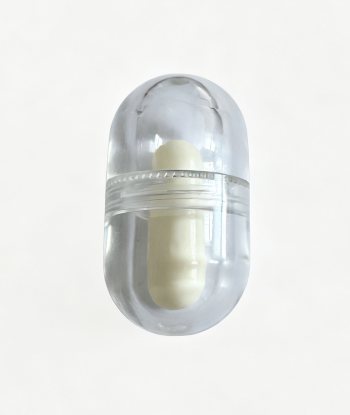
Acrylic (PMMA) capsule packaging containers are compact, transparent, sealed units specifically designed for single-dose capsules. Thanks to their high transparency, lightweight durability, and customization capabilities, they have rapidly entered premium markets such as high-end health supplements, medical aesthetics capsules, oral dietary supplements, and individualized pharmaceutical packaging. Based on packaging industry data, consumer trends, and supply chain dynamics from 2025 to 2026, the market shows strong long-term growth potential. However, challenges including cost pressures, intense competition, and material limitations create a landscape characterized by "expansion in premium segments, internal competition in low-end markets, and niche breakthroughs."
Ⅰ. Core Demand Drives Continuous Market Expansion
The global acrylic packaging container market reached $4.87 billion in 2025, with a projected CAGR of 6.8% from 2026 to 2030. Health supplements and medical aesthetics capsule packaging account for 63% of total demand, while small single-dose acrylic capsule bottles grow significantly faster than general packaging categories. This growth is driven by four key sectors:
Rising demand for premium dietary supplements**: High-value products such as NMN, white kidney beans, probiotics, and saffron are shifting away from traditional aluminum-plastic blister packs and low-cost PP bottles in favor of acrylic individual packaging to enhance product value. Transparent acrylic allows clear visibility of the capsule shape, meeting visual marketing needs for premium gifting and e-commerce livestreaming. Leading brands like Xianle Health and Yunnan Green A have begun bulk purchasing these containers.
Growth in medical aesthetics and intimate care capsules**: Female intimate care and anti-aging oral beauty capsules require high aesthetic standards and moisture-resistant packaging. Acrylic’s superior surface quality over standard plastics has made it a standard choice for differentiated branding in medical aesthetics. Orders from offline beauty clinics and cross-border cosmetics e-commerce continue to rise annually.
Growing preference for portable portioning**: Modern consumers increasingly need single-dose medication packaging for travel, fitness, or business trips. Acrylic mini capsule boxes offer no odor, excellent impact resistance, and replace glass containers, fueling continuous expansion in home-use portable storage markets.
Stable export demand**: Products compliant with U.S. FDA and EU LFGB food contact standards are widely exported to Europe, North America, and Australia. In 2025, China's acrylic packaging exports increased by 12% year-on-year, with small capsule containers among the top export items.
Consumer upgrading is the underlying driver—buyers now prioritize not just functionality but also visual appeal and refined aesthetics. Acrylic’s high light transmittance and glass-like appearance perfectly align with brands’ premium positioning strategies.
Ⅱ. Key Competitive Advantages Build Differentiation Barriers
Compared to mainstream capsule packaging materials such as PP, PET, and glass, acrylic containers offer unique advantages:
Superior display performance**: With a light transmittance rate of up to 92% and no haze or impurities, the transparent shell clearly showcases the capsule, ideal for online image-based and short-video sales, significantly boosting click-through rates.
Lightweight and shatterproof**: Weighing 60% less than glass bottles, acrylic containers virtually eliminate breakage during shipping, reducing logistics losses.
High customization potential**: Options include frosted finishes, electroplating, color printing, logo silk-screening, and custom-shaped threading, enabling tailored designs that match brand identity.
Safety and compliance**: Food-grade acrylic contains no bisphenol A and meets China’s GB 4806.7-2023 national standard for food-contact materials. Its sealing structure provides moisture and light protection, extending capsule shelf life.
An increasingly mature supply chain further lowers entry barriers. Domestic producers like Wanhua Chemical and Chi Mei now mass-produce high-end PMMA pellets, breaking foreign monopoly. Integrated manufacturing hubs in the Yangtze River Delta and Pearl River Delta combine mold injection and surface printing, enabling smaller brands to achieve fast turnaround times for small-batch custom orders and unlocking broader market demand.
Ⅲ. Industry Challenges Constrain Short-Term Expansion
High raw material costs remain a significant barrier. Food-grade acrylic particles are more expensive than PP and PET, increasing end packaging costs by 30%–80%. Low-cost, mass-market health supplements struggle to bear this burden, limiting the market to mid-to-high-end product segments and resulting in low penetration in the mainstream affordable market.
Material performance limitations persist. Acrylic has lower impact resistance compared to PETG and may slightly yellow under prolonged direct sunlight exposure. Light-sensitive capsules such as fish oil require dark-colored modified acrylic, complicating production processes. Additionally, acrylic is not resistant to organic solvents, making it vulnerable to surface corrosion from certain antibacterial pharmaceutical ingredients.
Intense homogenization and price competition dominate the low-end market. Numerous small-scale manufacturers imitate standard capsule bottles, relying solely on low prices. Lacking advanced sealing technologies and mold development capabilities, their products often suffer from leakage and dimensional inconsistencies, undermining overall industry reputation and further compressing profit margins for small enterprises due to rising compliance testing costs.
Environmental regulations are tightening. Under the dual-carbon goals, stricter controls on single-use plastic packaging are being implemented. Pure acrylic is non-biodegradable, prompting brands to increasingly demand recyclable or bio-modified acrylic materials, thereby pressuring manufacturers to invest more heavily in new material R&D.
IV. Future Trends and Outlook
The industry will see three key development directions over the medium to long term, with clear growth potential:
First, deepening focus on niche markets. Targeting high-margin segments—medical aesthetics and personal care, premium nourishment, and cross-border health supplements—manufacturers can develop light-protective frosted, moisture-resistant double-sealed, and NFC traceability chip-equipped acrylic capsule bottles. These functional, differentiated products enable leading manufacturers to achieve gross margins of 38%–45%.
Second, green material innovation and upgrading. Bio-based, recyclable acrylics are gradually entering mass production, supported by closed-loop recycling systems that comply with domestic and international environmental regulations, helping brands avoid risks associated with plastic restrictions. Sustainable packaging will become a mandatory procurement criterion.
Third, widespread adoption of integrated customization services. Upstream packaging companies will integrate design, mold development, printing, and quality inspection into one seamless process, enabling rapid response to brands’ demands for small batches and multiple designs. Emerging e-commerce health supplement brands will become core growth customers.
Overall, the outlook for acrylic capsule containers remains positive, with steady market growth expected. However, full-category adoption is unlikely. Companies focusing on mid-to-high-end niches, optimizing sealing and light-blocking technologies, and investing in eco-friendly modified materials can avoid low-price competition and achieve sustainable profitability. Small manufacturers producing only generic, low-cost models will face continued shrinking market space. Over the next five years, driven by the ongoing expansion of the wellness and cross-border e-commerce sectors, high-end acrylic capsule packaging will continue to offer solid investment and growth opportunities.
| Phone : | +86-15068162157 |
|---|---|
| Fax : | +86-0576-87143691 |
| Email : | linjiemao6@gmail.com |