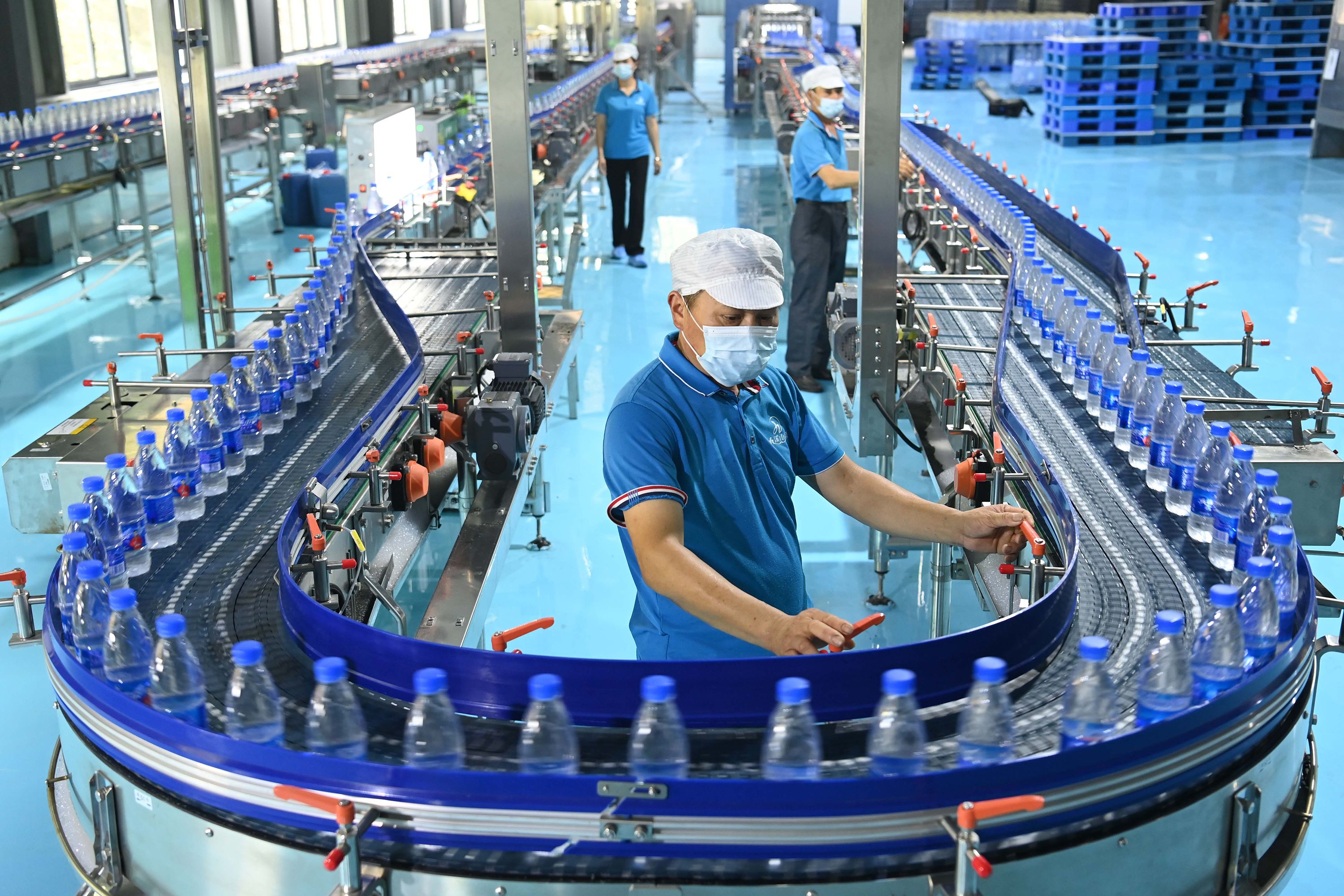
The Reality of Plastic Bottle Sourcing
In the cosmetics, pharmaceutical, and beverage industries, packaging failures can be costly. A batch of bottles that doesn't meet food-safety standards, a mold that produces inconsistent wall thickness, or a supplier who can't scale production when your product gains traction—these aren't hypothetical problems. They happen regularly, and they hurt businesses.
This is why many brands and manufacturers are moving away from generic bottle suppliers and toward specialized manufacturers who can demonstrate both technical expertise and reliability. The market has shifted. Buyers now expect more than just "plastic bottles." They want:
| Requirement | Why It Matters |
|---|---|
| Customization at Scale | Not every product fits a standard bottle. A supplier needs to handle diversity without sacrificing quality. |
| Safety & Compliance | Materials must be food-grade, pharmaceutical-grade, or cosmetic-grade. Certifications and traceability are non-negotiable. |
| Sustainability | Recycled PET, bio-based plastics, and design-for-recycling principles give you a competitive advantage. |
| Supply Chain Stability | A supplier with diversified capabilities and transparent communication can weather global disruptions. |
Why Direct-from-Factory Partnerships Matter
When you work directly with a manufacturer rather than through distributors or trading companies, you gain several advantages:
Quality Control at the Source
You're not dealing with middlemen who may have limited knowledge of your specific requirements. Direct communication with the factory means faster problem-solving and the ability to inspect production processes firsthand.
Customization Flexibility
A factory equipped to handle multiple product categories can adapt to your needs without the delays and compromises that come with outsourcing to specialists.
Cost Efficiency
Eliminating intermediaries typically reduces costs, allowing you to either improve your margins or invest those savings into product development.
Relationship Continuity
When your business grows, your supplier grows with you. There's no need to renegotiate with new vendors or worry about supply disruptions.
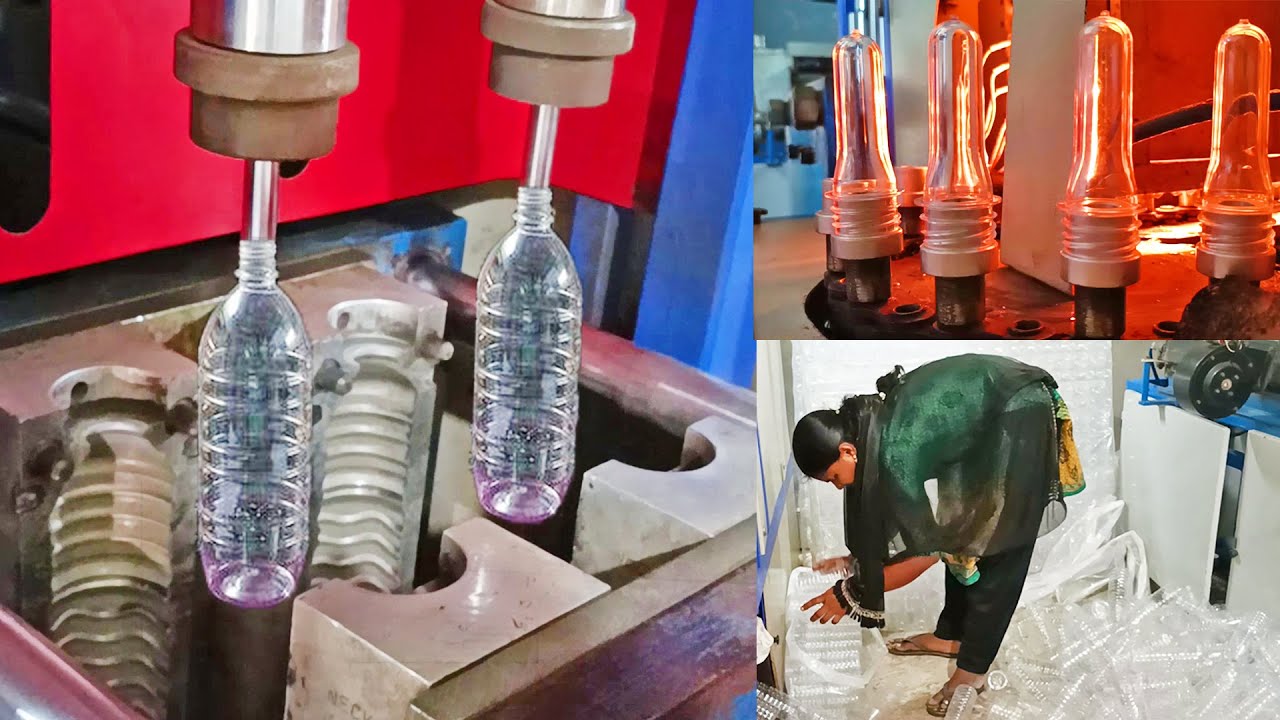
The Breadth of Specialization Matters
Not all plastic bottle manufacturers are created equal. Some specialize in one or two product categories, while others have developed expertise across multiple sectors. This breadth is valuable because it demonstrates:
Process Mastery
A factory that produces pharmaceutical bottles, cosmetic containers, food packaging, and daily chemical bottles has solved complex problems across different regulatory frameworks.
Equipment Versatility
Different bottle types require different injection molding or blow-molding techniques. Diverse capabilities require varied equipment and trained personnel.
Problem-Solving Experience
A supplier with broad experience has encountered similar problems before and knows how to solve them quickly and effectively.
Looking Ahead: Sustainability and Innovation
The plastic packaging industry is evolving. Raw material costs fluctuate based on global oil prices and geopolitical events. Regulatory pressure around single-use plastics and recycling is increasing. Consumer expectations around sustainability are rising.
Forward-thinking suppliers are responding by investing in:
Advanced Materials: Recycled PET, bio-based alternatives, and compostable plastics require different processing knowledge and equipment.
Design Optimization: Reducing material usage while maintaining structural integrity saves costs and appeals to environmentally conscious brands.
Traceability and Transparency: Supply chain visibility is becoming a competitive differentiator, especially for brands communicating sustainability efforts.

Making Your Decision
When evaluating a plastic bottle supplier, look beyond the price quote. Ask about their production capabilities, their quality control processes, their experience with your specific product category, and their approach to sustainability. Request samples, understand their lead times, and assess their communication responsiveness.
The best suppliers aren't just manufacturers—they're collaborators who invest in understanding your business and your customers. They anticipate challenges before they become problems. They're transparent about constraints and proactive about solutions.