- Home
- >
- News
- >
- Public Information
- >
- The Application and Development of Large Capacity Guided Drug Delivery Devices
The Application and Development of Large Capacity Guided Drug Delivery Devices
A large capacity guided drug delivery device is a medical instrument specifically designed for the transportation of large doses of liquid medication. Unlike traditional small capacity syringes, its storage chamber volume typically ranges from 5 to 25 mL. Some portable or wearable models even support the infusion of more than 50 mL of medication. It is widely used in clinical treatment, home care, and special scenarios for drug administration, being an important branch of modern drug delivery technology.
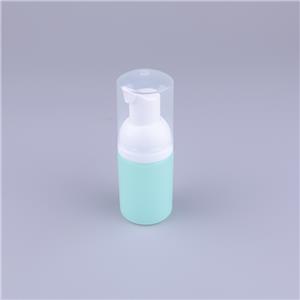
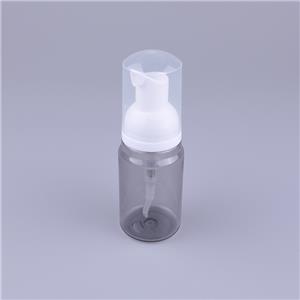
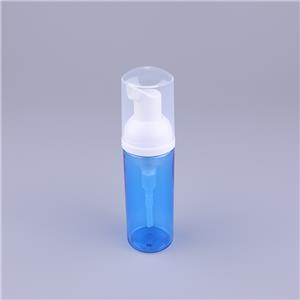
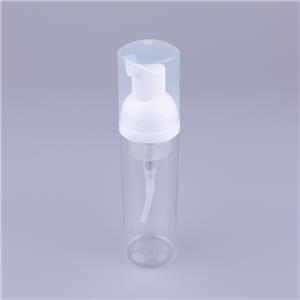
Large Capacity Guided Drug Delivery Device
I. Core Design and Technical Advantages
The core design of the large capacity guided drug delivery device focuses on three dimensions: large volume, precise speed control, and safety compatibility. Structurally, it mainly consists of a large capacity storage cylinder, a sealed piston, an adjustable flow rate valve, a flexible guiding tube, and a dedicated drug delivery head. Some high-end models are equipped with anti-backflow devices and sterile protection covers to prevent drug contamination and reflux risks.
Its technical advantages are significant:
Efficient drug delivery, reduced operation frequency: The large capacity storage chamber can hold the complete dose at one time, eliminating the need for repeated dosing. The single-time drug delivery time is shortened by more than 60% compared to traditional devices, especially suitable for patients with chronic diseases or emergency scenarios requiring large doses of medication.
Precise speed control, reduced drug delivery risks: The built-in flow rate regulator can stabilize the drug flow rate (usually 0.5–2 mL/s), avoiding choking, tissue irritation caused by too fast flow rate, or delayed drug effect due to too slow flow rate, and suitable for high-viscosity medications (such as biological agents, gel-type drugs) infusion.
Safe material, compatible with multiple types of drugs: Using medical-grade polypropylene (PP) or glass materials, with the inner wall treated with siliconization, it reduces drug adsorption and residue, compatible with various formulations such as antibiotics, nutritional solutions, and biological agents. Some models support high-temperature sterilization for repeated use.
Portable and easy to operate, wide application scenarios: The lightweight design combined with a non-slip grip structure allows healthcare professionals to operate with one hand. Wearable models (such as YpsoDose, enFuse) can be adhered to the body surface to achieve hands-free infusion, allowing patients to complete the drug administration independently, suitable for home care and mobile treatment scenarios.
II. Clinical Application Scenarios
(1) Gynecology and Obstetrics
Gynecology is the core application scenario of large capacity guided drug delivery devices, commonly used for local drug administration in gynecological inflammations such as vaginitis and cervicitis. Through a dedicated vaginal drug delivery head, antibacterial gels, solutions, or suppositories can be precisely pushed to the affected area. The large capacity design (30–50 mL) ensures that the drug liquid fully covers the vaginal mucosa, enhancing local drug concentration, and is more thorough than traditional irrigation devices, reducing drug waste. In obstetrics, it can be used for postpartum perineal care drug liquid irrigation and uterine cavity residual drug infusion. The operation is gentle, reducing the risk of maternal infection.
(2) Pediatrics and Home Care
Infants have weak swallowing ability and difficult oral administration. Large capacity guided drug delivery devices (10–30 mL) can precisely deliver the drug liquid to the infant's throat, avoiding choking and vomiting, suitable for feeding antipyretics, antibiotics, etc. In home care, it is applicable for nasogastric administration, oral rinsing of patients with swallowing disorders, or large-dose drug liquid feeding in pet medical care, achieving "one device for multiple uses".
(3) Chronic Disease and Biologic Agent Administration
With the widespread application of biologics in tumors and autoimmune diseases, traditional small capacity syringes can no longer meet the needs of large doses (5–20 mL) and high-viscosity drugs for subcutaneous infusion. Wearable large capacity drug delivery devices (such as enFuse, BD Libertas) can achieve smooth infusion of 5–25 mL biologics, with controllable infusion time (5–15 minutes), reducing local tissue irritation, allowing patients to administer the drug at home without frequent hospital visits, significantly improving treatment compliance.
(4) Emergency and Operating Room Applications In emergency rescue, large-capacity guided drug delivery devices can quickly administer emergency drugs, fluids, or antidotes, thus saving precious time. In the operating room, they are used for preoperative skin disinfection solution rinsing, intraoperative drug infusion, or postoperative drainage tube medication infusion. The large-capacity design can meet the needs of large-area and high-dose drug administration, improving surgical efficiency.
III. Current Development Status and Future Trends
Currently, large-capacity guided drug delivery devices have evolved from traditional manual types to intelligent, wearable, and multi-functional ones. International brands such as Ypsomed and Enable Injections have launched mature wearable large-capacity drug delivery devices that support pre-filled drug solutions, automatic infusion, and low-residue design, suitable for high-value biological preparations, reducing drug waste. Domestic products focus on grassroots medical care and home care, emphasizing high cost-effectiveness and simple operation, gradually improving sterile, anti-backflow, and other safety designs.
In the future, large-capacity guided drug delivery devices will further integrate Internet of Things and intelligent control technologies to achieve real-time monitoring of the drug delivery process, precise dosage recording, and abnormal alarm functions, adapting to remote medical and smart nursing scenarios; in terms of materials, they will upgrade to biodegradable and low-allergenic types to reduce medical waste and allergy risks; the application fields will continue to expand, covering more high-dose drug administration needs for chronic and rare diseases, and becoming a key carrier connecting hospital treatment and home care. 4. Conclusion
The large-capacity drug delivery device, with its features of high dosage, high precision, high safety and wide adaptability, has completely changed the application limitations of traditional small-capacity drug delivery devices. It plays an irreplaceable role in gynecology, pediatrics, chronic disease treatment, emergency rescue and other fields. With the advancement of medical technology and the upgrading of patient needs, its design and functions will continue to be optimized, promoting the development of drug delivery towards more efficient, safer and more convenient directions, and providing better solutions for clinical treatment and home care.
| Phone : | +86-15068162157 |
|---|---|
| Fax : | +86-0576-87143691 |
| Email : | linjiemao6@gmail.com |