- Home
- >
- News
- >
- Public Information
- >
- Application of PET in the pharmaceutical industry: innovation driven and safety guarantee
Application of PET in the pharmaceutical industry: innovation driven and safety guarantee
PET (polyethylene terephthalate), as a high-performance thermoplastic polyester material, has penetrated deeply into the pharmaceutical industry from drug packaging, medical devices to diagnostic and therapeutic technology due to its excellent physical and chemical properties and biological safety. Its compliance has passed authoritative certifications such as China's GB 4806.6-2024 "National Food Safety Standard for Plastic Materials and Products in Contact with Food" (referring to food contact standards for pharmaceutical packaging), EU Regulation No. 10/2011, and US FDA 21 CFR Part 177.1310. It has become a key material for promoting innovative development and quality improvement in the pharmaceutical industry, meeting the industry's core requirements for safety, efficiency, and precision.
1、 The core advantage of PET adaptation to the pharmaceutical industry: precise fit between performance and demand
PET can be widely used in the pharmaceutical industry because its characteristics are highly matched with the storage, transportation, and usage needs of pharmaceutical products, especially in the four dimensions of biological safety, chemical stability, processing plasticity, and cost-effectiveness, building a solid application foundation that far exceeds traditional glass, metal, and some plastic materials.
1. Excellent biosafety: the primary prerequisite for pharmaceutical applications
Pharmaceutical products are directly related to human health, and the biological safety of materials in contact is crucial. PET performs excellently in this regard:
No harmful substance migration: PET molecular structure is stable, with a main chain composed of saturated carbon carbon bonds and no easily breakable functional groups. At conventional pharmaceutical storage and use temperatures (-20 ℃ to 60 ℃), harmful ingredients such as plasticizers, heavy metals, and bisphenol A (BPA) will not migrate into drugs or medical devices. After long-term toxicology testing by authoritative institutions such as the FDA, its safety can meet the contact requirements of high-end pharmaceutical products including injections and implantable devices, ensuring patient safety.
Good biocompatibility: When PET comes into contact with human tissues and body fluids, it will not cause immune reactions, cytotoxicity, or allergic reactions. It is suitable for medical devices that come into direct contact with the human body, such as invisible braces, medical catheters, and dialyzer casings. Its inert surface reduces protein adsorption and cell adhesion, lowers the risk of infection, and enhances the clinical effectiveness of medical devices.
2. Excellent chemical stability: ensuring stable drug quality
The composition of drugs is complex, and some have strong oxidizing, acidic, or corrosive properties. The chemical stability of PET can effectively cope with:
Chemical corrosion resistance: PET has excellent resistance to common acids and bases (such as gastric acid, pharmaceutical buffer solutions), organic solvents (such as ethanol, propylene glycol, and other pharmaceutical excipients), and oxidants (such as hydrogen peroxide, iodine). It will not dissolve, swell, discolor, or degrade due to contact with drugs, ensuring that packaging and devices maintain stable physical and chemical properties during drug storage, and maintaining drug quality and efficacy.
Excellent barrier performance: PET molecules are tightly arranged and have good barrier properties against gases such as oxygen, water vapor, and carbon dioxide. When used for drug packaging, it can effectively delay drug oxidation, deliquescence, and volatilization, and extend shelf life. For example, vitamin C tablets packaged in PET bottles can extend the oxidation discoloration time from 3 months in regular packaging to 12 months; The inhalation powder mist packaged in PET film can prevent drugs from getting damp and clumping, ensuring accurate dosage.
3. Flexible processing flexibility: meeting diverse pharmaceutical needs
The pharmaceutical industry has diverse requirements for the form, specifications, and functions of packaging and equipment. PET achieves customized production through rich processing techniques
Rich molding processes: PET can be produced through various processes such as injection molding, blow molding, extrusion, thermoforming, spinning, etc., to produce different forms of products ranging from small pharmaceutical capsules and syringe components to large pharmaceutical packaging bottles, medical device casings, and more. For example, PET syringe barrels produced by injection molding process have high dimensional accuracy and smooth surface, which is conducive to drug extraction and injection; The PET infusion bottles manufactured by blow molding process have uniform bottle walls and high transparency, making it easy to observe the liquid level and medication state.
Can be compounded and modified: PET can be compounded with materials such as aluminum foil, polyethylene (PE), polypropylene (PP), etc., to enhance barrier properties, heat sealing properties, and mechanical properties, meeting the packaging needs of special drugs. PET/aluminum foil/PE composite film is used for blister packaging to block oxygen and water vapor, and protect environmentally sensitive drugs; By adding functional additives such as antibacterial agents, anti-static agents, and toughening agents, modified materials such as antibacterial PET, anti-static PET, and high toughness PET can be developed to expand their application scenarios. For example, antibacterial PET can be used for medical consumables packaging to reduce the risk of microbial contamination.
4. Good cost-effectiveness: adapted to the large-scale needs of the pharmaceutical industry
The pharmaceutical industry has strict cost control, and PET has cost advantages while ensuring performance:
Reasonable raw material and processing costs: PET raw materials have a wide range of sources, mature production processes, and relatively low costs. Compared with traditional pharmaceutical packaging materials such as glass and metal, PET processing has lower energy consumption and shorter molding cycles, which can reduce production costs for enterprises. For example, the production cost of PET plastic bottles is 30% -50% lower than glass bottles, and they are lightweight (only 1/8 of glass), significantly reducing transportation costs.
Recyclable: PET is one of the plastics with the highest recycling rate in the world (marked as "No.1" for recycling). After recycling, it can be physically regenerated into recycled PET (rPET), which can be used for non direct contact with drug packaging, medical device casings, etc., or chemically regenerated into monomers to re synthesize PET resin, reducing the consumption of raw materials and in line with the sustainable development trend of the pharmaceutical industry, further reducing the overall cost of enterprises.
2、 The core application of PET in the field of pharmaceutical packaging: protective barrier for all categories of drugs
Packaging is the main application scenario of PET in the pharmaceutical industry, accounting for over 70%. Based on the drug form (solid, liquid, semi-solid), dosage form (oral, injection, external), and storage requirements (room temperature, refrigeration, light avoidance), PET presents diverse application forms in drug packaging.
1. Solid formulation packaging: ensuring drug stability and dosage accuracy
Tablets, capsules, granules and other solid preparations are the mainstream dosage forms of drugs, and PET plays a key role in their packaging:
Bubble wrap packaging: PET hard sheets and aluminum foil are heat sealed to form bubble wrap packaging, which is the most common form of packaging for solid preparations. PET hard sheets provide support and barrier functions to prevent drugs from getting damp, oxidized, and broken, ensuring dosage accuracy. For example, the blister packaging of commonly used drugs such as cold medicine, antihypertensive drugs, antibiotics, etc., with PET hard film thickness generally ranging from 0.2-0.4mm, high transparency, makes it easy for consumers to observe the appearance of the drugs; Its excellent punching performance enables precise molding of the blister, making it easy to access drugs.
Bottled packaging: PET plastic bottles are used to bottle solid preparations and have advantages such as lightweight, impact resistance, and easy opening. For example, nutritional supplements such as vitamins and minerals are commonly packaged in 50-500mL PET bottles, which can have clear drug information printed on the bottle body; Adopting a screw cap or flip cover design, it has good sealing performance, is convenient for patients to access multiple times, and is not easy to leak medication. Some high-end drugs will also use PET bottles with desiccant compartments to further reduce the humidity inside the bottles and extend the shelf life of the drugs.
2. Liquid formulation packaging: suitable for multiple dosage forms and administration methods
Injection, oral liquid, syrup, eye drops and other liquid preparations require extremely high sealing, chemical stability and transparency in packaging. PET is an ideal packaging material:
Injection packaging: Ampoule bottles for small volume injections (such as 1-10mL), infusion bags/bottles for large volume injections (such as 50-1000mL), partially made of PET material or PET composite structure. For example, PET/PE multi-layer co extruded infusion bags utilize the barrier properties of PET to prevent the drug from absorbing oxygen and moisture, while the PE layer provides good heat sealing and flexibility to ensure safe and smooth infusion processes; The PET material pre filled syringe barrel has high dimensional accuracy, smooth inner wall, and tight fit with the piston to ensure accurate injection dosage. It can also withstand high temperature sterilization (121 ℃, 15-20 minutes).
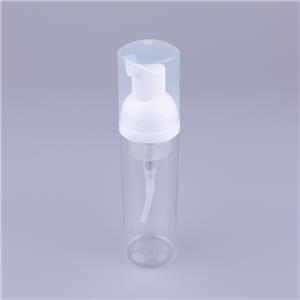
Packaging for oral liquids and syrups: PET plastic bottles are the mainstream packaging for oral liquids and syrups, with advantages such as high transparency, chemical resistance, and resistance to breakage. For example, PET bottles of cough syrup and iron supplement oral liquid are designed ergonomically for patients to grip and pour; The bottle mouth adopts a leak proof design to prevent the leakage of medication and ensure the safety of drug use.
Eye drop packaging: PET bottles or PET/PE composite tubes are used for eye drop packaging. The high barrier properties of PET can prevent eye drops from being contaminated by microorganisms and oxidized, extending their shelf life. For example, PET packaging for artificial tears and anti glaucoma eye drops uses aseptic filling technology and precision droppers to achieve precise drug delivery. The PET material is non irritating to eye tissue, ensuring the safety of eye medication.
3. Semi solid formulation packaging: Balancing sealing and extrusion performance
The packaging of semi solid preparations such as ointment, cream and gel should take into account both sealing and extrusion convenience. PET can meet the needs through special design:
Composite hose packaging: PET/aluminum/PE composite hoses are commonly used packaging for semi-solid formulations. The PET outer layer provides strength and barrier properties, the aluminum layer blocks oxygen, water vapor, and ultraviolet rays, and the PE inner layer comes into direct contact with drugs, providing good flexibility and heat sealing properties, making it easy for drugs to be extruded. For example, composite hose packaging for dermatological drugs and oral ointments can have exquisite patterns and usage instructions printed on the tube body, and through special processing, multiple layers of materials can be tightly adhered to prevent delamination and leakage.
Canned packaging: Some large capacity semi-solid preparations (such as 50-500g) are packaged in PET plastic cans, and the can body and lid are sealed with threads or buckles for good sealing and easy access and storage. For example, PET canned packaging of medical vaseline and wound care gel is transparent, which can directly observe the drug surplus, and PET materials have good compatibility with most semi-solid preparations, which will not affect the drug quality.
3、 The diverse applications of PET in the field of medical devices: an innovative carrier from diagnosis to treatment
In addition to drug packaging, PET is widely used in the field of medical devices due to its biocompatibility, mechanical properties, and processing characteristics, covering multiple sub fields such as diagnostic equipment, therapeutic devices, and disposable consumables.
1. Diagnostic equipment components: improve detection accuracy and efficiency
PET material is used for various diagnostic equipment components, providing hardware support for precision medicine:
Medical imaging equipment: PET (positron emission tomography)/CT (computed tomography) all-in-one machine is a high-end medical imaging diagnostic equipment, in which some components of the PET detector are made of PET plastic. The low atomic number and good electrical insulation of PET material can reduce scattering and noise interference, improve image resolution and detection sensitivity, and help detect major disease lesions such as tumors, cardiovascular diseases, and neurological diseases early. For example, GE、 The PET/CT equipment of brands such as Siemens uses PET material for the detector housing and optical fiber fixing components to optimize equipment performance.
Laboratory testing equipment: PET is used to make consumables such as centrifuge tubes, reaction tubes, and colorimetric dishes in medical and biological laboratories, including centrifuges, PCR machines, and enzyme-linked immunosorbent assay (ELISA) analyzers. The high transparency of PET material makes it easy to observe the reaction process, and it is resistant to chemical corrosion and high temperature and pressure (can withstand high-pressure sterilization at 121 ℃), meeting the strict disinfection and testing requirements of the laboratory and ensuring accurate and reliable experimental results. For example, the PCR reaction tube is made of thin-walled PET material, which has uniform thermal conductivity and can quickly raise and lower the temperature, thereby improving the efficiency of PCR amplification.
2. Treatment equipment components: optimizing treatment effectiveness and patient experience
PET serves as a key component in therapeutic equipment, driving innovation in treatment technology
Invisible braces: Invisible braces in the field of orthodontics often use PET or PET copolymer materials. The high transparency, good elasticity, and wear resistance of PET material enable it to meet the invisible aesthetic needs of braces, provide sufficient strength to correct teeth, and be comfortable to wear without easily damaging the oral mucosa. For example, invisible braces from brands such as Yin Shi Mei are customized with PET material through digital design and 3D printing technology to fit the patient's teeth, achieving personalized orthodontic treatment.
Medical catheters: PET has certain flexibility and strength, and can be made into various medical catheters, such as urinary catheters, nasogastric feeding tubes, vascular intervention catheters, etc. The PET catheter has a smooth surface and good biocompatibility, which can reduce friction and irritation to human tissues and lower the risk of infection; Its chemical corrosion resistance enables it to withstand immersion in disinfectant solutions, ensuring the safety of the catheter for multiple uses. For example, in vascular intervention therapy, the outer sheath of the guide wire is made of PET material, which can be smoothly pushed inside the blood vessel and provide support for the intervention surgery.
3. Disposable medical consumables: ensuring medical safety and hygiene
PET is widely used in disposable medical consumables, effectively preventing cross infection:
Syringes and infusion sets: PET injection molded syringe barrels, infusion set droppers, and tubing have advantages such as high transparency, high dimensional accuracy, and good chemical stability. The clear markings on the syringe barrel facilitate accurate extraction of medication by medical personnel; The infusion tube is soft and resistant to bending, ensuring a smooth infusion process, and PET material has no adsorption effect on common drugs, ensuring accurate drug dosage. For example, disposable insulin syringes and intravenous infusion sets are often made of PET material to ensure clinical safety.
Surgical bag and dressing packaging: PET film or sheet is used for the outer packaging of surgical bags and medical dressings, which has good barrier properties, can prevent microbial invasion, and maintain the sterile state of internal items; Meanwhile, PET material is easy to heat seal, convenient for packaging and sealing, and has high transparency, making it easy for medical staff to observe internal items. For example, PET packaging for sterile surgical instruments and wound dressings effectively protects products during storage and transportation, and can be used directly after opening, improving medical efficiency.
4、 Innovative application and cutting-edge exploration of PET in the pharmaceutical industry: leading the trend of industry transformation
With the development of materials science and pharmaceutical technology, PET continues to explore innovative applications in the pharmaceutical industry through material modification and integration with new technologies, injecting new impetus into the industry's development.
1. Development of functional PET materials: meeting special pharmaceutical needs
Developing PET materials with special functions such as antibacterial, antiviral, and intelligent response through chemical modification or the addition of functional additives:
Antibacterial and antiviral PET: nano silver ions, quaternary ammonium salt antimicrobial agents or antiviral agents are added to PET resin to make packaging and device surfaces that can inhibit the growth and reproduction of Escherichia coli, Staphylococcus aureus, COVID-19 and other microorganisms and reduce the risk of hospital infection. For example, antibacterial PET is used for medical mask nose strips, ward door handles, etc., which can provide long-lasting antibacterial properties; Antiviral PET is used for medical device casings to reduce the survival time of viruses on the device surface.
Intelligent response PET: Introducing functional groups such as thermal sensitivity, pH sensitivity, and photosensitivity, PET materials undergo physical and chemical changes under specific external stimuli, achieving functions such as drug controlled release and disease diagnosis. For example, thermosensitive PET materials are used as drug carriers to release drugs at body temperature, achieving precise drug delivery; PH sensitive PET is used for intestinal targeted drug capsules, which dissolve in a specific pH environment in the intestine to improve drug efficacy.
2. Integration of PET and 3D printing technology: customized pharmaceutical product manufacturing
3D printing technology endows PET materials with personalized manufacturing capabilities and has broad application prospects in the pharmaceutical industry
Customized medical devices: Through 3D printing technology, PET materials can be accurately customized into medical devices that conform to individual anatomical structures based on patients' medical imaging data, such as maxillofacial repair instruments, orthopedic implant models, etc. This customized instrument has a high degree of fit, which can improve treatment effectiveness and reduce surgical trauma and complications. For example, for patients with skull defects, personalized skull repair plates made of 3D printed PET materials can perfectly match the site of the patient's head defect.
Drug formulation innovation: 3D printing can combine PET with active ingredients of drugs to create drug formulations with complex structures, such as multi-layer tablets, porous microspheres, etc., achieving precise controlled release and synergistic release of drugs. For example, PET multilayer tablets prepared by 3D printing contain different drugs in different layers, which can be released sequentially according to a preset program to improve drug treatment efficacy and patient compliance.
3. Research progress of biodegradable PET: a new direction for the development of green medicine
Traditional PET is difficult to biodegrade, and with the increasing awareness of environmental protection, research on biodegradable PET has become a hot topic
Biobased raw material synthesis: Using biomass (such as corn starch and sugarcane bagasse) as raw materials, biodegradable PET is prepared through chemical synthesis. Its properties are similar to traditional PET, but it can be decomposed by microorganisms in natural environments, reducing plastic pollution. For example, some companies have achieved the synthesis of biodegradable PET from bio based terephthalic acid and bio based ethylene glycol for drug packaging and disposable medical devices, reducing carbon emissions and promoting the green development of the pharmaceutical industry.
Blending and modification strategy: Blend PET with biodegradable polymers such as polylactic acid PLA and polybutylene adipate PBA, or chemically modify PET by introducing hydrolyzable groups to enhance its biodegradability. For example, PET/PLA blend material is used for medical sutures, which can gradually degrade and absorb after wound healing, avoiding secondary surgical suture removal and improving patient experience.
5、 Challenges and coping strategies of PET application in the pharmaceutical industry
Although PET has significant advantages in the pharmaceutical industry, it still faces some challenges in practical applications that need to be addressed through technological innovation and industry collaboration.
1. Facing challenges
Difficulty in recycling: There may be residual drugs and biological pollutants in pharmaceutical packaging and equipment after use, which increases the difficulty of PET recycling pre-treatment; And different types of PET materials (such as ordinary PET, modified PET, composite PET) are mixed, making separation and purification difficult, resulting in unstable quality of regenerated PET and difficulty in meeting the requirements of high-end pharmaceutical applications.
High end products rely on imports: Some high-performance PET materials (such as high barrier PET, biodegradable PET) and advanced processing technologies (such as high-precision injection molding, multi-layer co extrusion blow molding) have insufficient domestic research and development and production capabilities. High end medical packaging and equipment PET materials rely on imports, which restricts the industry's autonomy and cost control capabilities.
Lag in updating standards and regulations: With the continuous emergence of new applications of PET in the pharmaceutical industry, the existing material standards, packaging specifications, and medical device regulations for quality control and safety evaluation of new functional PET materials, 3D printed PET products, etc. are not perfect, and there are regulatory gaps, increasing the risk of product launch.
2. Response strategies
Improve the recycling system: Establish a pharmaceutical specific PET recycling channel, strengthen pre recycling cleaning and disinfection treatment; Develop efficient separation technologies, such as near-infrared spectroscopy sorting and chemical depolymerization purification, to improve the purity and performance stability of regenerated PET; Promote the rational grading application of recycled PET in the pharmaceutical industry, such as using high-quality recycled PET for non direct contact drug packaging to reduce the consumption of raw materials.
Strengthen independent research and development: increase investment in the research and development of high-performance PET materials, collaborate with industry, academia, and research to tackle key technologies such as high barrier, biodegradability, and antibacterial properties; Introduce and digest advanced processing equipment and technology from abroad, improve the manufacturing level of domestic PET materials and products, achieve domestic substitution of high-end products, and reduce industry costs.
Establish sound standards and regulations: Regulatory authorities and industry associations are accelerating the development and updating of standards and regulations for the new application of PET in the pharmaceutical industry, clarifying material performance indicators, production process specifications, and safety evaluation methods, providing a basis for enterprise product research and development, production, and supervision, and ensuring the quality and safety of pharmaceutical products.
6、 Summary: PET - a key support for innovative development in the pharmaceutical industry
From comprehensive protection of drug packaging, to precise diagnosis and treatment empowerment of medical devices, and to innovative carriers of cutting-edge technology, PET is at the core of its "safety, stability, plasticity, and efficiency"
| Phone : | +86-15068162157 |
|---|---|
| Fax : | +86-0576-87143691 |
| Email : | linjiemao6@gmail.com |